
When You Need Storage During A Move: A Practical Guide
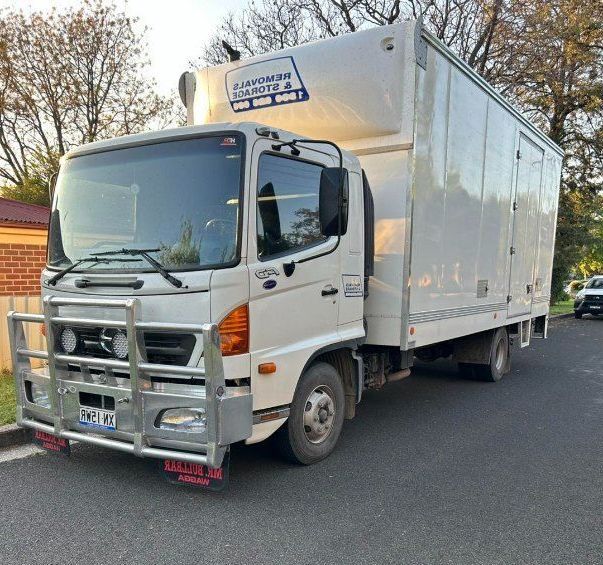
Storage becomes necessary during a move whenever your move-out date and move-in date don't line up – a settlement gap, a renovation still underway or a new home that's smaller than the one you're leaving. Rather than juggling a moving truck and a self-storage booking separately, a coordinated removalist Bathurst team can load, store and deliver your belongings as one continuous service.
When Does Storage Become Necessary During a Move?
The most common trigger is a settlement gap – you've sold your current home but the new one isn't ready to hand over for another two, three or six weeks. You still have to vacate, but there's nowhere to put your furniture yet. In this situation, storage isn't optional; it's the only way to keep the move on schedule.
Renovations create a similar problem. If you're moving into a home that needs work done before it's liveable – new flooring, a kitchen refit, painting throughout – you can't have furniture and boxes sitting in the middle of a job site. Storing your belongings until the trades finish keeps the renovation moving and protects your items from dust, paint and foot traffic.
Downsizing is the third scenario. When you're moving from a larger family home into something smaller, you often find you've got more furniture than the new place can physically hold. Storage gives you breathing room to sort through what to keep, sell or pass on, without making rushed decisions on moving day itself.
How Does a Two-Stage Move Work in Practice?
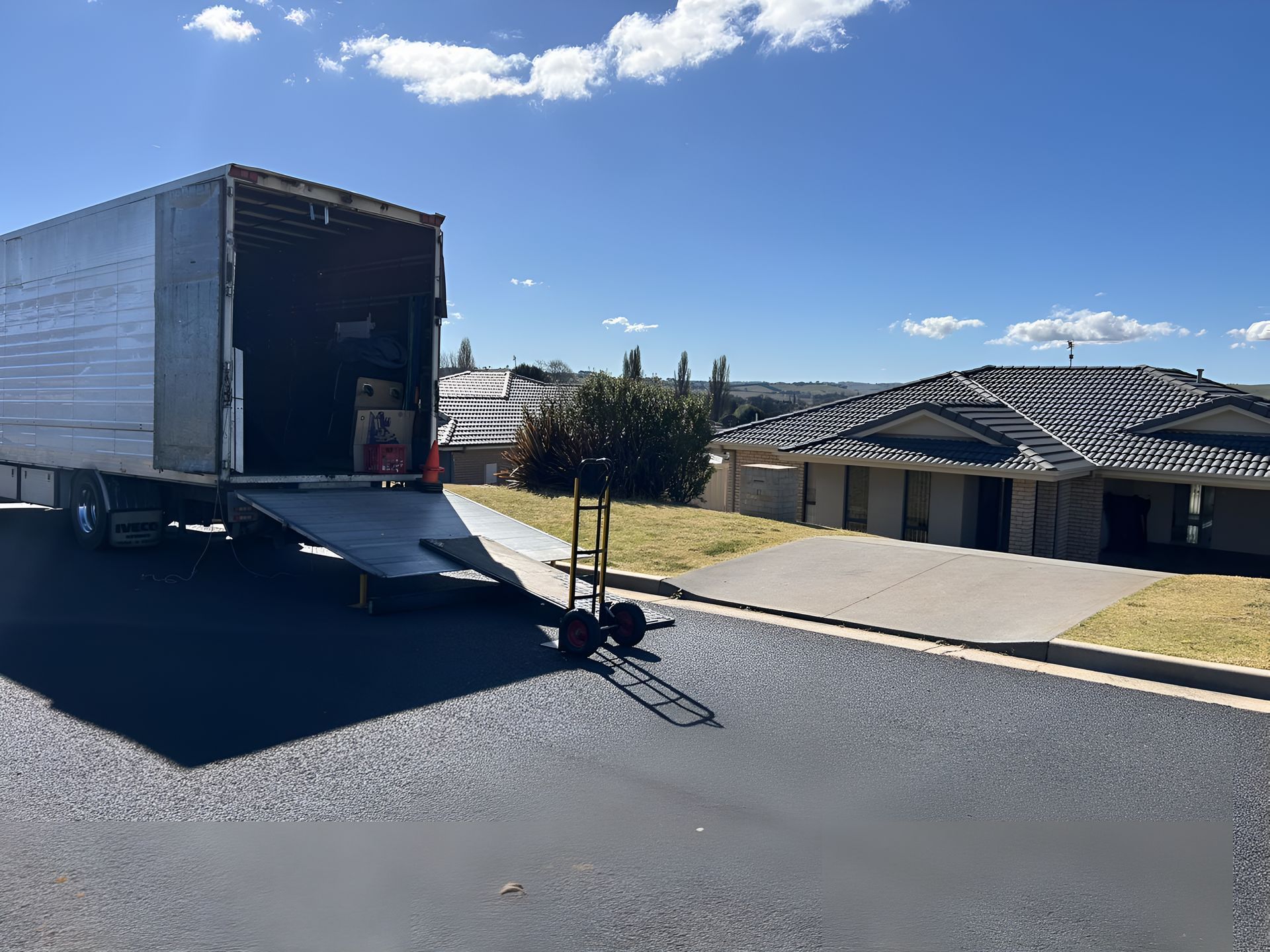
A two-stage move splits the process into a pickup and a later delivery, with your belongings held securely in between. The first stage is identical to a normal moving day: the team arrives, loads your furniture and boxes and transports everything to secure storage rather than straight to a new address.
The second stage happens once your new home is ready, whether that's a week later or several months down the track. The same team delivers your stored items, meaning your belongings are handled by people who already know how they were packed and loaded the first time. This matters more than it sounds. Every extra handover between different companies increases the risk of items being damaged, lost or delayed. If your settlement dates don't line up, our removalist team in Bathurst can store your belongings and deliver them once the new place is ready, with minimal handling in between.
What Should You Put Into Storage vs Keep With You?
Not everything you own needs to go into storage, and deciding this upfront saves a lot of frustration later. As a general rule, anything you'll need in the first few days at a temporary address – or during the gap itself – should travel with you, not into a storage unit.
Keep with you:
- Toiletries, medications & a change of clothes for each family member
- Important documents (passports, birth certificates, insurance papers, contracts)
- Phone chargers, laptops & any equipment needed for work
- Basic kitchen items if you're staying somewhere with cooking facilities
- Kids' essentials – a favourite toy, school uniforms, sports gear
Everything else – seasonal items, spare furniture, books, decorations, off-season clothing – is a reasonable candidate for storage. Larger furniture pieces that won't fit your temporary living arrangement (if you're staying with family or in a rental in the meantime) also belong in storage rather than cluttering someone else's home.
How Should You Pack & Label Items Going Into Storage?
Packing for storage is different from packing for a same-day move. Items may sit untouched for weeks or months, so the goal shifts from ‘get it in the truck’ to ‘get it out again without unpacking everything else first’.
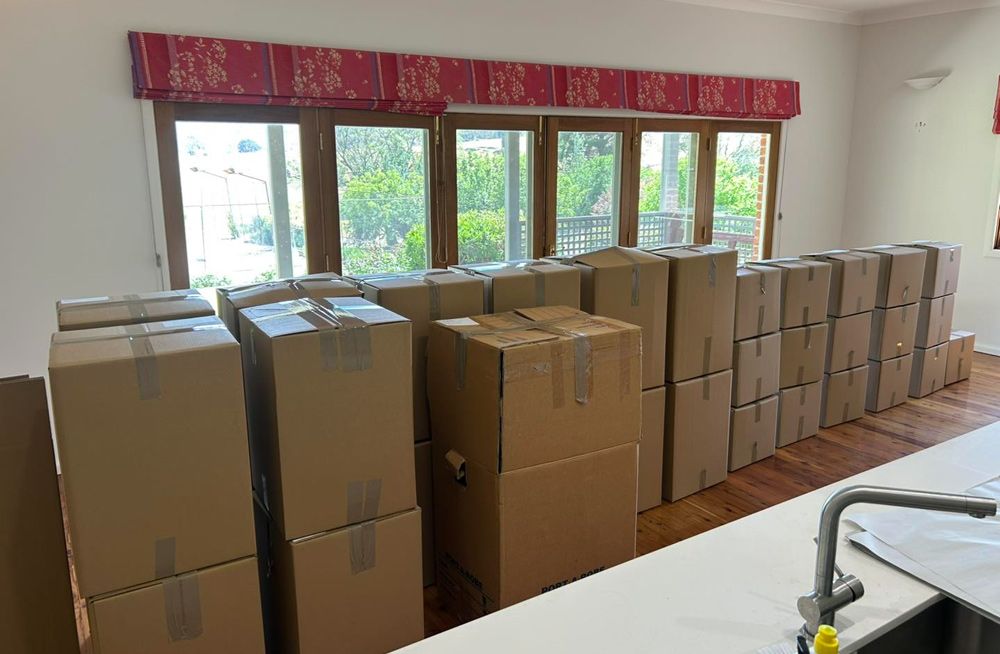
Label every box with its contents and the room it came from, not just a generic description. ‘Kitchen – mixing bowls, baking trays’ is far more useful six weeks later than ‘Kitchen 3 of 12’. If you know you'll need to access something specific during the storage period – winter coats, a particular set of documents, a child's bike – pack that item last so it sits near the door of the storage unit or container, not buried at the back.
Wrap furniture in moving blankets or protective covers rather than relying on the packaging it arrived in years ago, particularly for anything with fabric upholstery. Disassemble bed frames and large furniture where possible; flat-packed items take up less space and are less prone to damage than fully assembled pieces stacked awkwardly.
What Items Don't Belong in Storage?
Some items genuinely shouldn't go into a storage container or unit, regardless of how carefully they're packed. Perishable food is the obvious one – it attracts pests and creates odour problems that can affect other stored items. Aerosol cans, including cleaning products and deodorants, are a fire and pressure risk in an enclosed space that isn't climate-controlled.
Moisture-sensitive items need particular thought. Photographs, important documents, musical instruments and anything made of untreated wood or leather can warp, mould or degrade if humidity builds up inside a sealed unit over an extended period. If these items must be stored, they need to go in appropriately sealed, moisture-protected packaging – or ideally, travel with you instead.
Short-Term vs Long-Term Storage: What's the Difference?
Short-term storage typically covers gaps of a few days up to several weeks — the kind of timeframe you'd expect from a settlement mismatch or a quick renovation. The main consideration here is convenience: how quickly can items be delivered once you're ready, and how much handling is involved in the meantime.
Long-term storage – anything stretching from a couple of months to a year or more – shifts the priority toward protection. Items sitting for extended periods benefit from being stored in sealed containers rather than open shelving, reducing exposure to dust, pests and temperature fluctuation. For moves with a longer gap in between, our storage containers keep everything sealed, secure and ready to be delivered when the new home is available. Knowing which category your move falls into upfront helps determine how items should be packed and what level of protection is worth arranging.
What Practical Details Should You Sort Out Before Storing Your Belongings?
A few administrative details make the difference between a smooth storage period and a stressful one. Keep an inventory list of everything going into storage, ideally organised by box number or category, so you know exactly what's there without having to search through boxes later.
Check whether your stored items are covered under your existing home and contents insurance, or whether the storage provider offers separate cover – this varies, and it's worth confirming before anything goes into the unit rather than after. Ask what access arrangements look like too: some storage solutions allow you to retrieve items during the storage period, while sealed containers used for longer-term jobs may not be designed for regular access.
Why Coordinate Your Move & Storage With One Team?
Storage is often the simplest answer when downsizing leaves you with more furniture than the new home can take, and managing that alongside the physical move is far easier when one team handles both. Booking a removalist and a separate storage facility means two contracts, two sets of dates to coordinate and an extra handover point where items can be damaged or delayed.
When the same
removalists in Bathurst handle the packing, the storage and the final delivery, your belongings are only ever handled by people who understand the full picture – how things were packed, what's fragile and when delivery is expected. For homeowners dealing with a settlement gap or a renovation timeline that keeps shifting, that single point of contact removes a genuine source of stress from an already busy period.
Contact Buck Removals & Storage today to learn more
Frequently Asked Questions
How long can I store my belongings during a move?
Storage periods can range from a few days to over a year, depending on your situation. Short-term storage suits settlement gaps and quick renovations, while long-term storage is better suited to extended delays such as building a new home.
Is my furniture insured while it's in storage?
Cover varies depending on the provider and your existing home and contents policy. It's worth confirming insurance arrangements before your items go into storage, rather than assuming they're automatically covered.
Can I access my belongings while they're in storage?
This depends on the storage type. Some arrangements allow scheduled access during the storage period, while sealed storage containers used for longer-term jobs are generally packed to be opened once at final delivery.
What shouldn't I put into storage?
Perishable food, aerosol cans and moisture-sensitive items like important documents, photographs and untreated wood or leather furniture aren't suited to storage without special protective packaging.